From film sets to cybersecurity: Finding the career I wanted
Humans of Datavant is a series about the people behind our mission – the experiences that shaped them, the paths that brought them here, and what they’re learning along the way. Through their stories, we’re sharing a closer look at the people and perspectives that make Datavant what it is.
For Tatiana Zwerling, Senior IT Assurance Lead at Datavant, that career has been anything but linear. Before building a career in IT and cybersecurity, she was pursuing a very different ambition: making independent films in Philadelphia and New York. Along the way, unexpected opportunities, influential mentors, and a willingness to step outside her comfort zone helped her discover the work she wanted to do and an environment where she could thrive and grow.


If you had told me when I was working on independent films in Philadelphia and New York that I would eventually build a career in cybersecurity, I probably wouldn’t have believed you.
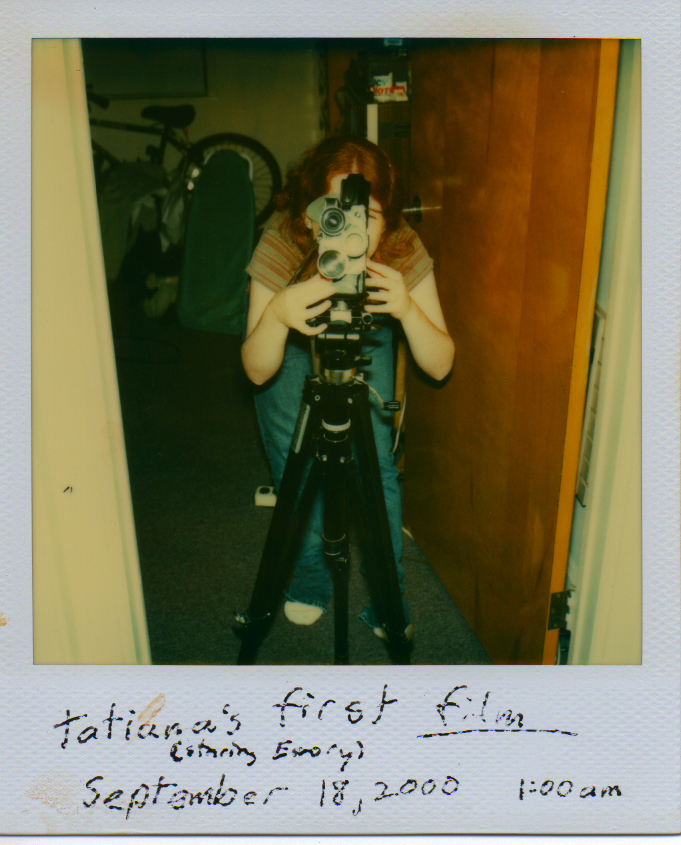
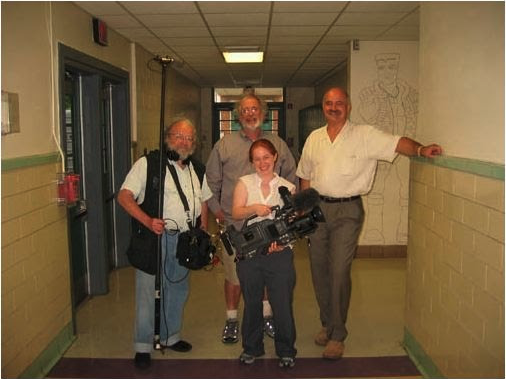
At the time, I really wanted to be an independent filmmaker. I worked as a production assistant on small independent films, briefly worked for MTV, and did freelance videography and video editing. I loved the work, but the film industry is tough to break into, and independent film doesn’t exactly pay very well.
So while I was trying to make it in film, I was also working IT gigs to pay the bills.
Eventually, practicality won out. I needed something stable. I needed health insurance. In 2012, I left New York and took a full-time IT job at Penn State University. I didn’t know it then, but that decision would put me on the path toward the career I have today.
Sometimes you find your path by paying attention
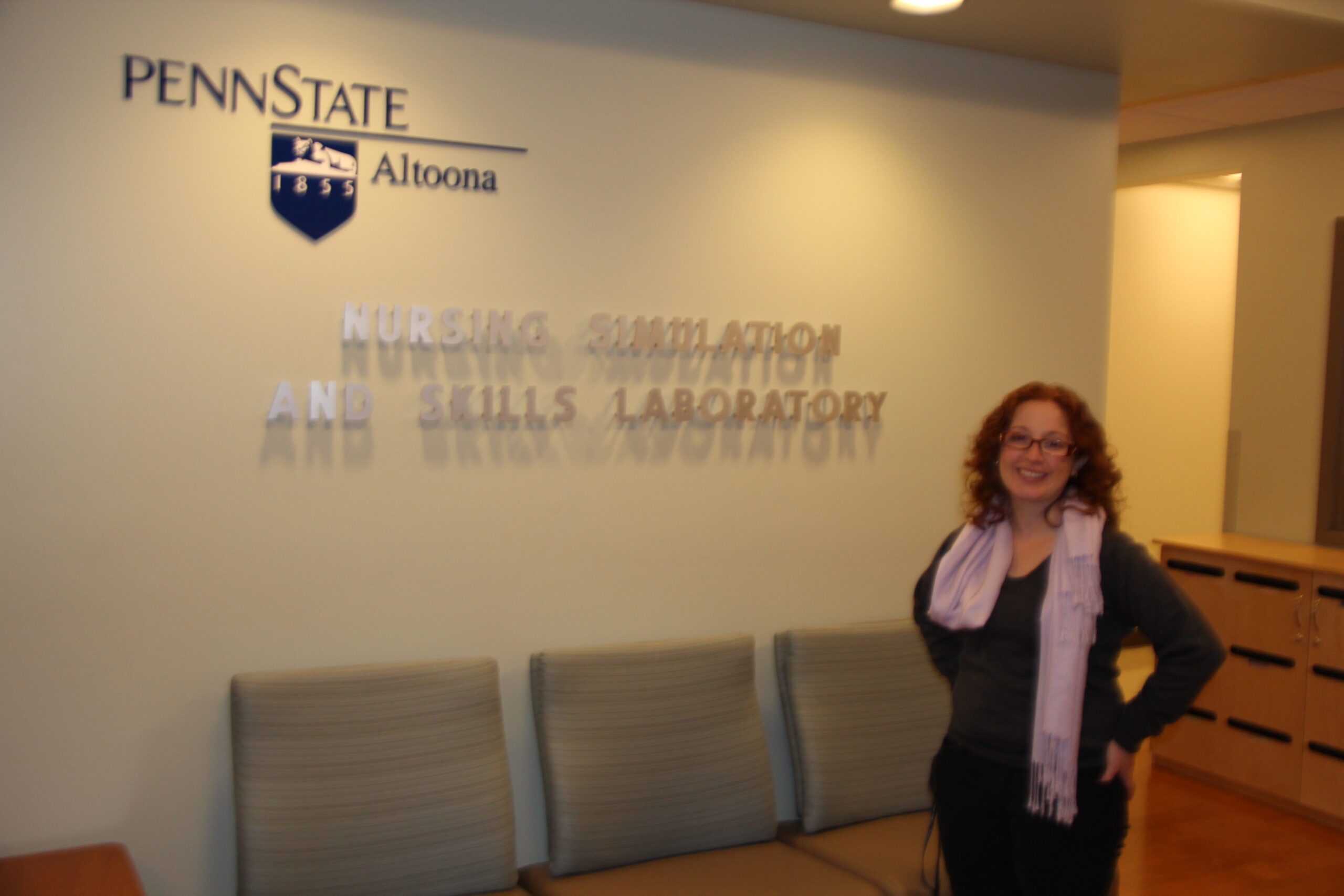
I ended up spending almost 10 years at Penn State. I worked as an IT consultant for the Nursing Department, helping faculty develop simulations for nursing students, managing classroom and lab machines, and leading technology trainings. Later, I worked with the University Libraries on emerging technologies like virtual reality.
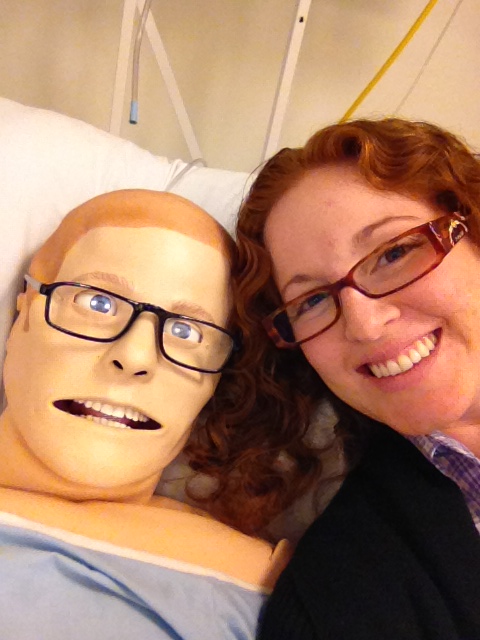
Somewhere along the way, I started getting interested in cybersecurity and learning about it on my own.
Then I took a help desk call that changed things for me. One of our information sciences professors had gotten locked out of his research computer. I managed to break back into it for him, and afterward he basically asked me, “Why aren’t you working in cybersecurity?”
I told him I was actually really interested in it, and he told me I should be.
That little bit of encouragement mattered. I started looking more seriously at what a career in cybersecurity could look like. I applied to Penn State’s master’s program in Cybersecurity and Information Assurance, continued working full time while going to school, and eventually moved into IT audit for the university.
Looking back, my career might seem like a series of unrelated turns. Film. IT. Emerging technology. Cybersecurity. Audit. But I don’t see them as completely separate anymore. Filmmaking, for example, taught me a tremendous amount about project management. I worked in an era when we were actually shooting on film, and film was expensive. Developing it was expensive. Getting prints was expensive. You couldn’t afford to waste everyone’s time, so you had to make sure things were planned and set up correctly.
I use those same skills all the time in my work today when I’m conducting audits and assessments, I try to be as prepared as possible because I don’t want to waste anyone’s time. I’m planning months ahead, figuring out which assessments we’re going to conduct, who needs to be involved, and what we’ll need from different teams.
Even my storytelling background followed me into cybersecurity.
One of the things I love about auditing is that it’s my job to find the problems. I get to research an area, dig into the information, work with people to understand where our deficiencies might be, and then bring everything together. When I report findings to senior and executive leadership, I have to tell the story: Why does this matter? Why do we need to address it? Why is it worth investing resources in?
It turns out filmmaking and cybersecurity aren’t quite as far apart as they might seem.
You don’t have to figure out your career alone
I wouldn’t have gotten here without people who saw possibilities for me before I necessarily saw them for myself.
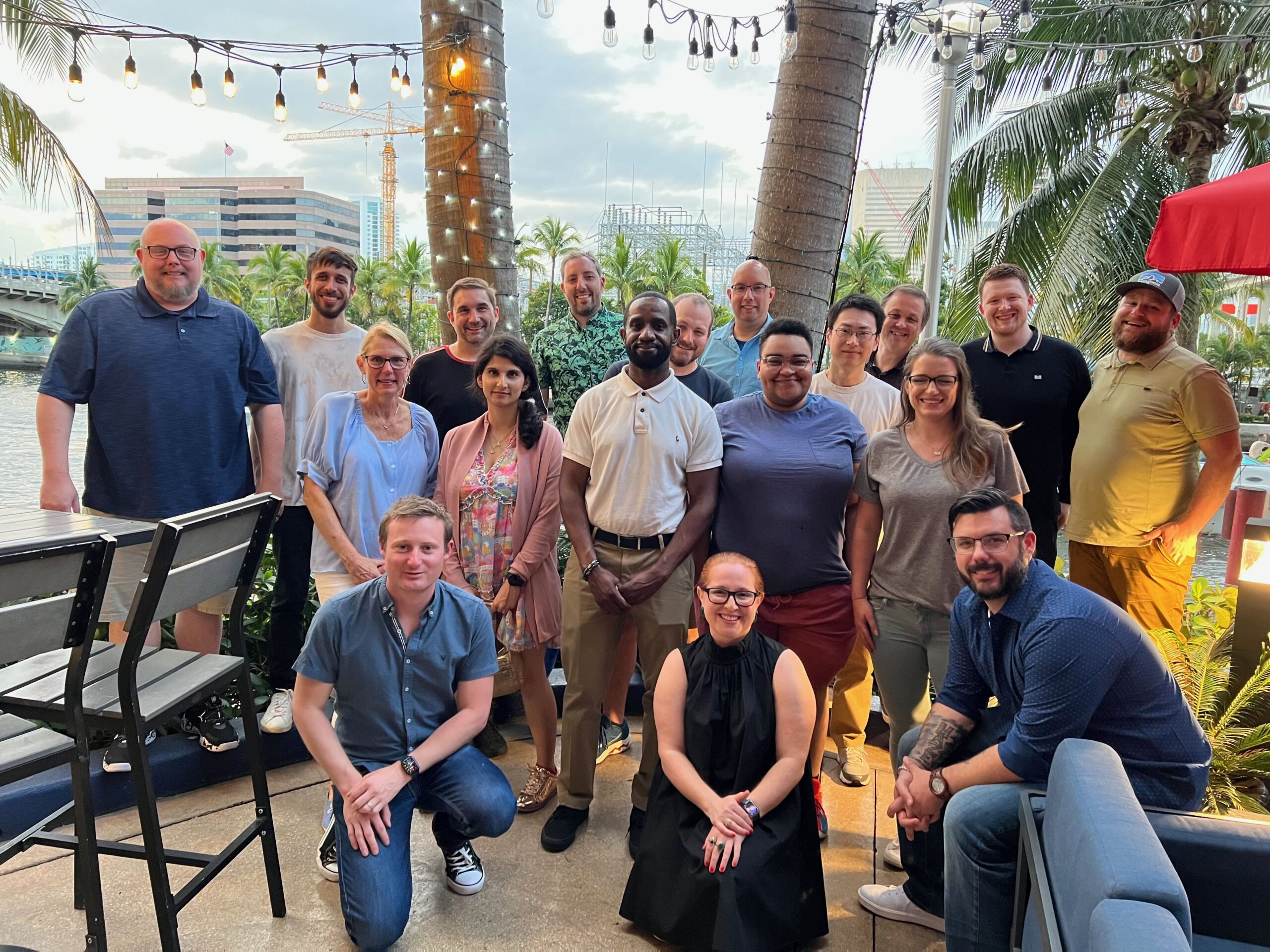
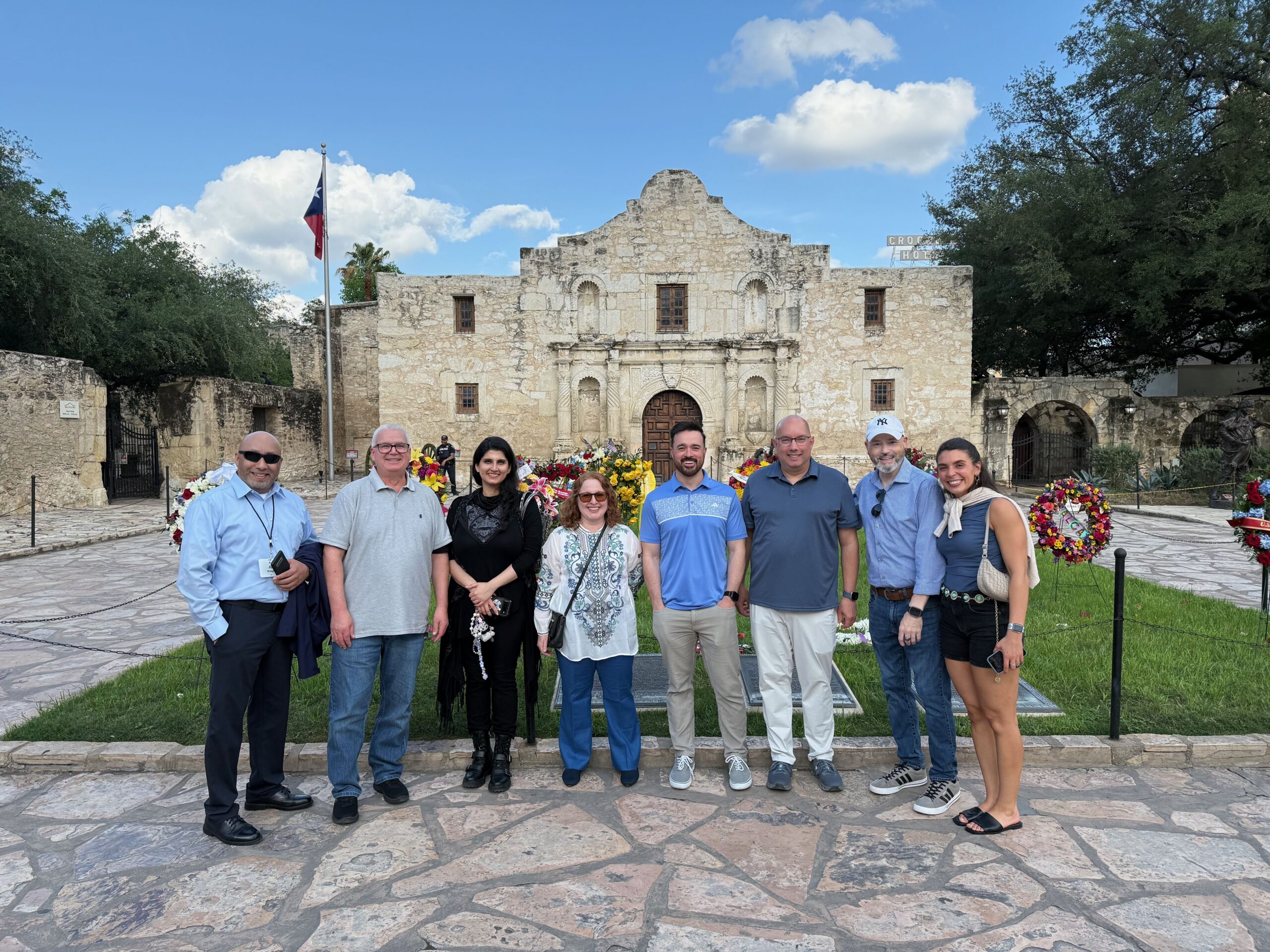
Mentorship has been tremendously important throughout my career. At Penn State, my CISO was incredibly supportive of me going through the cybersecurity program and helped pay for my first certification. I also intentionally sought out mentorship through organizations like Women in Cybersecurity and Women’s Society of Cyberjutsu.
One of my mentors through Women in Cybersecurity helped me land the job at Datavant. She reviewed my résumé, did mock interviews with me, and gave me support at a time when, frankly, I didn’t think I could do it.
It’s a major step just to realize you’re not alone on your path.
A good mentor can help you think more strategically about your goals and develop the voice to articulate what you actually want from your career. But I’ve also learned that mentorship doesn’t remove your own responsibility for figuring that out.
The heavy lifting of determining what you want your day-to-day life to look like, what you’re good at, what you want to get better at, and how much effort you’re willing and able to invest still falls on you.
Today, I’m also trying to pay some of that mentorship forward. I’ve mentored people trying to break into cybersecurity, including people who have simply reached out to me on LinkedIn asking if I have 15 or 30 minutes to talk. Most of the time, I say yes. That’s not a huge amount of time out of my day, but having that kind of insight and encouragement can mean a lot when you’re trying to figure out whether something is possible for you.
I’ve had an opportunity to do that with someone interested in joining Datavant, too. He reached out to me because he was interested in moving into Governance, Risk and Compliance, and I encouraged him to apply for an opening, helped with his résumé, and talked him through preparing for the interview. He ultimately didn’t get that particular role, but afterward he told me I’d helped him see the possibility differently – that it felt like something he actually could do.
I’ve been on the other side of that conversation enough times to know how much that matters.
And I’m still a mentee myself. I recently started a mentorship relationship with Jessica Patterson, our Head of Risk Operations.
I don’t think you ever reach a point where you’re done learning from other people.
Getting clear on what I wanted led me to Datavant
When people ask me about changing careers, my first piece of advice is pretty simple: Do your research.
When I decided I wanted to move from IT into cybersecurity, I had no idea where within cybersecurity I wanted to land. It’s a huge field, and I needed to understand the possibilities before I could decide where to specialize.
One resource that helped me tremendously was a podcast called Cybersecurity Interviews, where people talked about what they did, what their day-to-day jobs looked like and how they found their way into cybersecurity. What struck me was that almost nobody had a linear path. People came from all sorts of backgrounds. They made pivots. They figured it out along the way.
Then I listened to an interview with an auditor and I remember thinking, That’s what I want to do.
The more information I gathered, the easier it became to picture the kind of career I wanted. But mentorship also helped me realize that choosing a career isn’t only about deciding what work you want to do. You have to think about how you want to work and what you value in an employer.
When I was ready to leave Penn State, I interviewed with a lot of companies and had opportunities I could have taken. But I had gotten really clear on what mattered to me. I wanted to work in healthcare. I wanted a company that valued individual growth and had a positive culture. Work-life balance mattered to me. So did the ability to work remotely.
I was looking for my unicorn.
Healthcare, in particular, has always been familiar territory for me. My father is a doctor, my mother is a nurse, and my sister is a psychologist. I grew up with the language of healthcare around me. It’s part of why I was able to bridge the gap between technology and healthcare when I worked with Penn State’s Nursing Department.
I also had firsthand experience with how difficult moving health data can be. I previously opened and ran my father’s healthcare practice, so when I learned about Datavant and what the company was trying to solve, I understood the problem. I remember thinking, This sounds like a really cool product. I want to get behind it. I want to be part of this.
That’s what I encourage other people to think about when they’re contemplating a change. Don’t only ask yourself what job title you want. Ask yourself what you want your actual life to look like. What kind of work do you enjoy? What do you want to learn? What kind of environment do you want to work in? What aren’t you willing to sacrifice?
I’ve certainly been at points in my life where I just needed a job. Sometimes you need money coming in, and that’s reality. But when you have the opportunity to intentionally build something for yourself, get clear on what you want and hold out for it.
Your career might not look anything like the path you imagined when you started. Mine certainly doesn’t, but that’s okay.
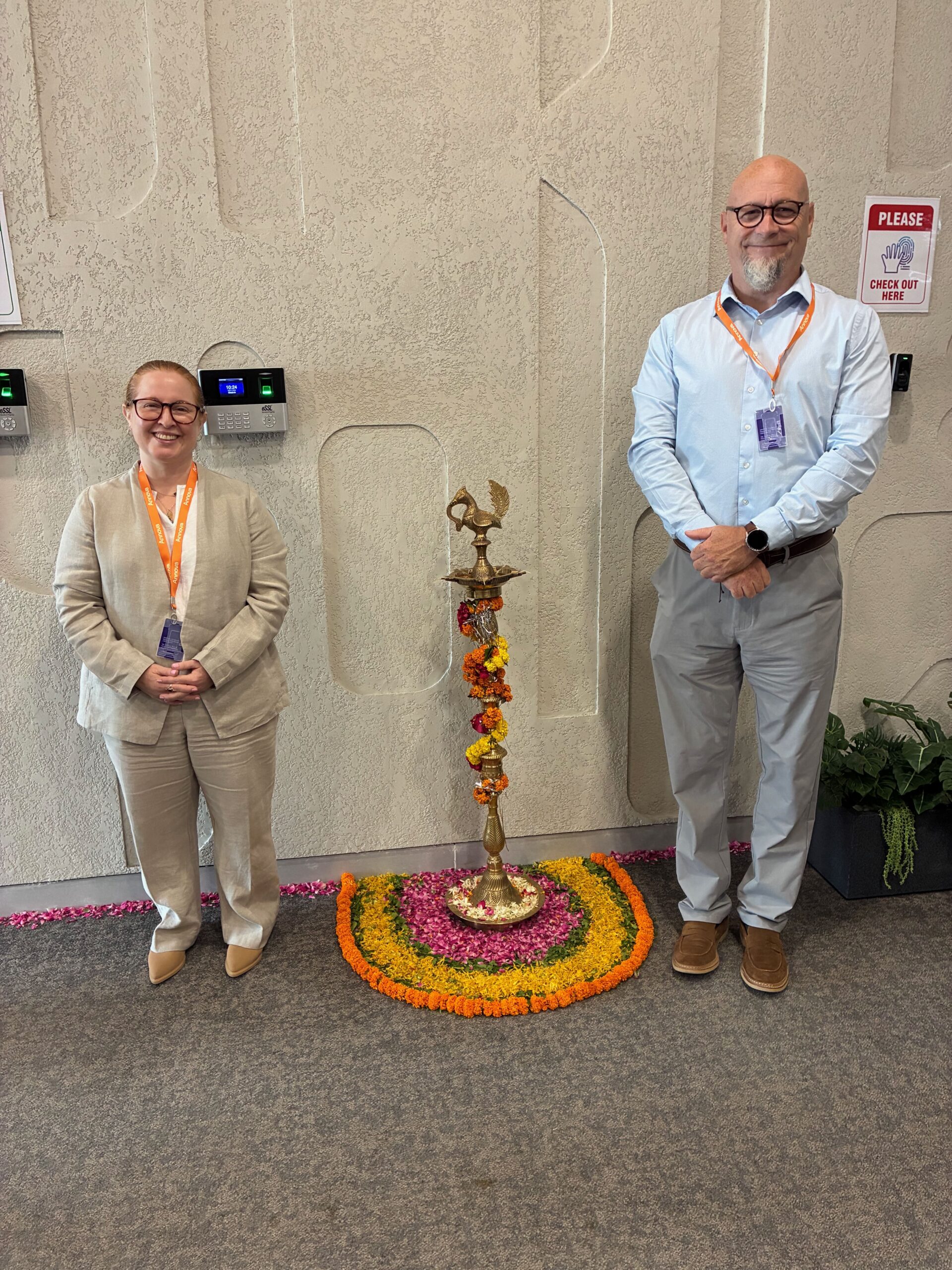
“We hired you for your expertise. We trust you.”
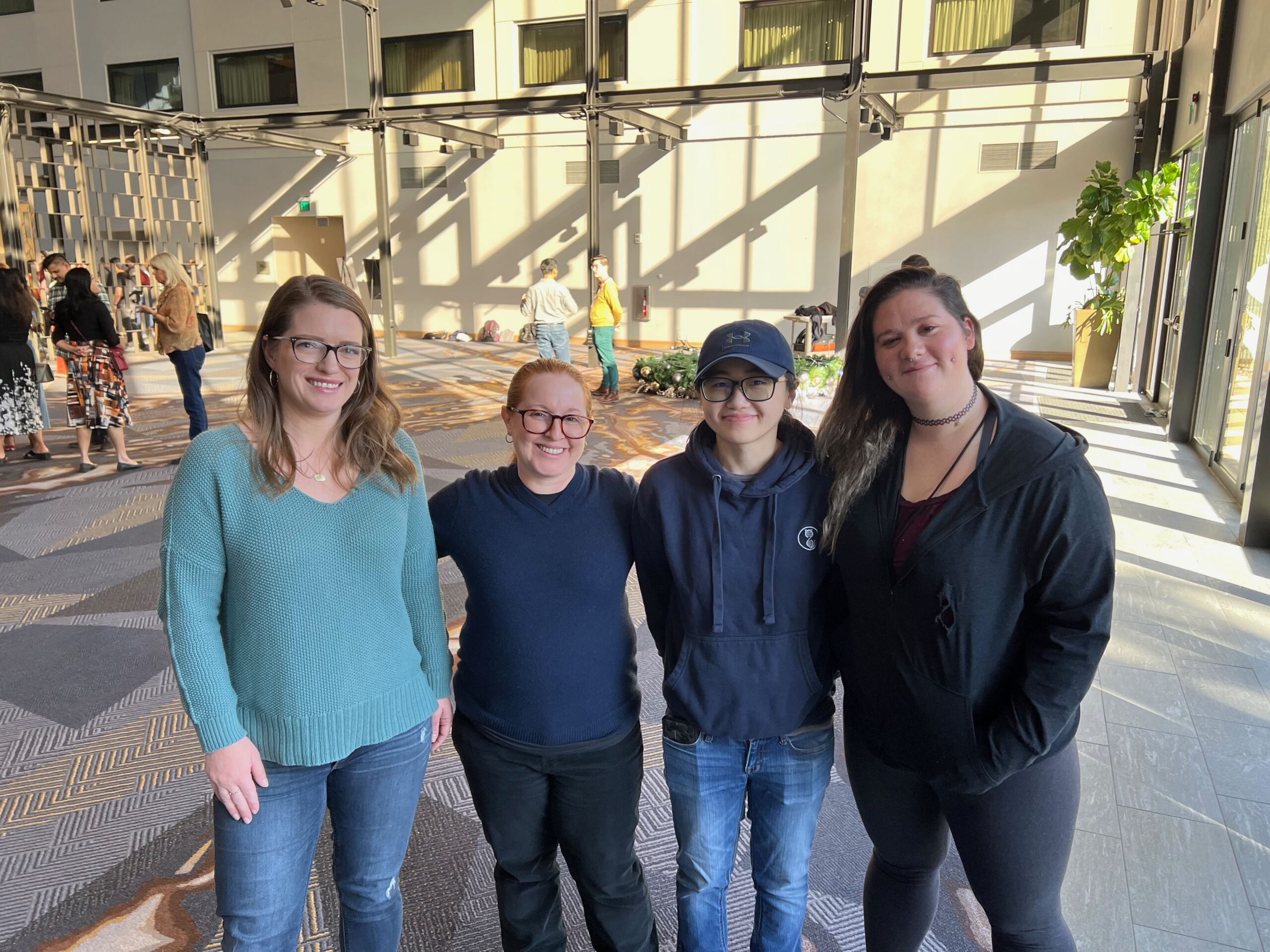
I joined Datavant when the company and the security organization were much smaller, and there was a lot to build.
My 30-60-90-day plan was incredibly ambitious. It was also full of things I’d never done before.
Early on, our head of security told me something that has stuck with me: essentially, We hired you for your expertise. We trust you to do the job. Go do it. Don’t wait for permission.
That emboldened me. I had to learn how to fly the plane while flying it, but I was surrounded by people who trusted me to figure things out. One of my earliest projects put that trust to the test.
Datavant acquired a company, and some customers wanted assurance that the acquisition met their continued data security expectations.
I was still relatively new in my audit career, but I was given the room to figure out a solution. I proposed and built an audit procedure and implemented additional safeguards to protect and meet the customer’s needs.
And it worked. Our customers responded positively to what we’d created.
I had designed audits before, but nothing quite like that. I don’t think I would have been given that kind of opportunity everywhere – especially with only a few years of IT audit experience under my belt.
That experience captures something I still appreciate about Datavant: I’m constantly being asked to step outside my comfort zone and do something I may never have done before, because doing it will help me grow in my role and advance my career.